
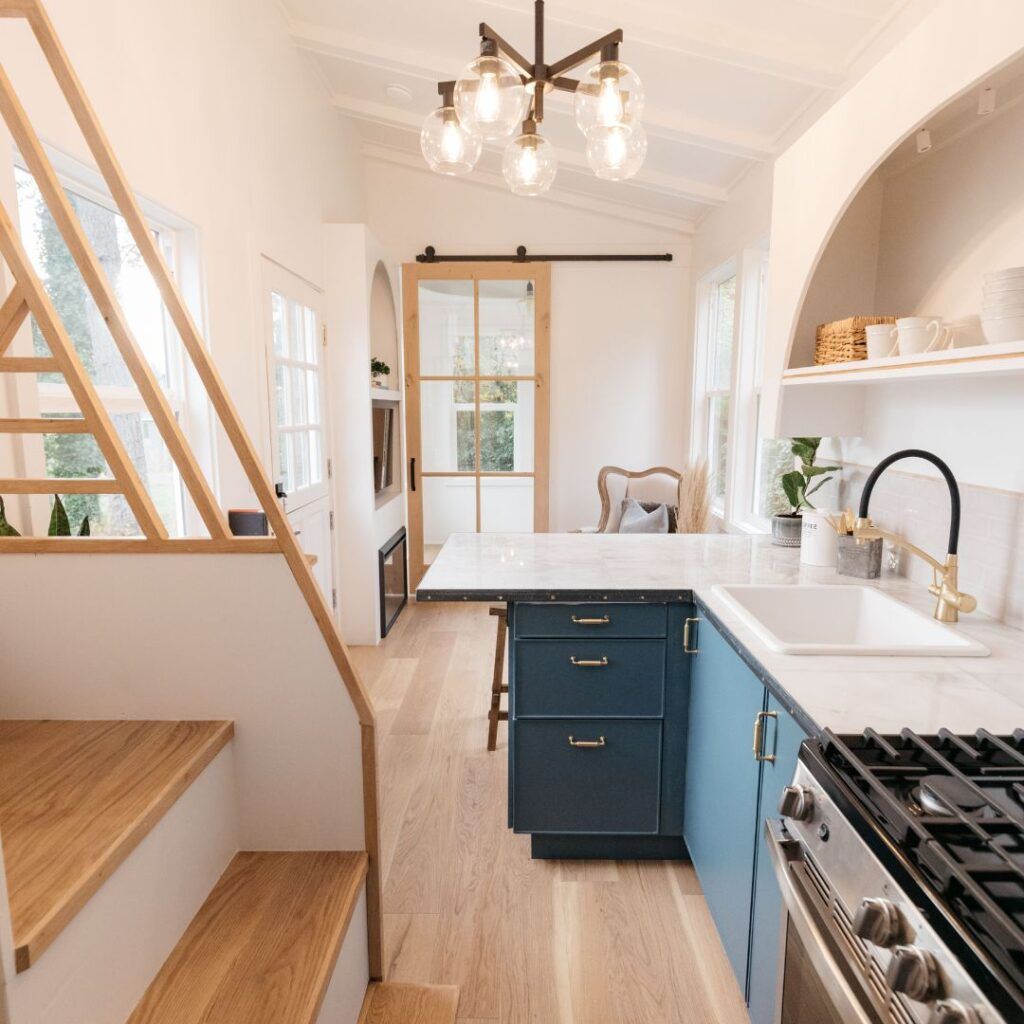
ADU Construction Options Expanding Housing in Torrance, CA
Accessory dwelling unit construction in Torrance, CA creates flexible housing solutions that generate rental income, accommodate family members, and increase property values through detached or attached units on existing residential lots.
What ADU types work best on Torrance properties?
Detached new construction ADUs, garage conversions, and attached additions each suit different lot configurations and homeowner goals across Torrance's diverse neighborhoods.
Detached units built in backyards provide maximum privacy for both primary residents and ADU occupants. These structures work well on larger lots where setback requirements still allow functional outdoor space after construction.
Garage conversions offer cost-effective ADU creation by repurposing existing structures rather than building from foundation up. This approach suits homeowners with extra garage capacity who want to add living space without reducing yard area significantly.
Attached ADUs extend from existing homes, sharing at least one wall with the primary residence. These additions cost less than detached construction while providing convenient access beneficial for family caregiving situations or aging-in-place scenarios.
How do ADUs generate financial returns?
Rental income from ADUs can offset mortgage payments while building equity, and improved property valuations typically exceed construction costs in strong housing markets like Torrance.
Market-rate studio and one-bedroom ADU rentals in Torrance generate monthly income that helps cover housing expenses for primary residents. Long-term tenants provide stable cash flow with minimal management demands compared to short-term rental approaches.
Property appraisals increase substantially when adding legal dwelling units because assessors evaluate income potential alongside square footage additions. ADU construction services in Torrance typically see value appreciation that recovers construction investment within several years through combination of rental income and increased home value.
Tax benefits may include depreciation deductions and expense write-offs for rental property maintenance and mortgage interest related to ADU portions of property financing.
Can ADUs support multigenerational living arrangements?
Accessory dwelling units provide independent living quarters that let families house aging parents or adult children while maintaining privacy and autonomy for all generations.
Separate entrances, kitchens, and bathrooms give occupants self-sufficient living arrangements that preserve personal space and routines. Proximity allows easy coordination of shared meals, childcare support, or health monitoring without constant direct interaction.
ADUs accommodate changing family needs over time—units that house college students or elderly parents today can transition to rental income generators or home offices as circumstances evolve.
Which Torrance zoning rules affect ADU projects?
State ADU laws streamline approval processes, but local setback requirements, height limits, and parking standards still influence design options and site placement across different Torrance zones.
Setback minimums typically require four-foot clearances from property lines, though some jurisdictions allow reduced setbacks for smaller ADUs or when abutting alleys. These distances affect buildable area on narrow or irregular lots.
Height restrictions often limit ADUs to sixteen feet for flat roofs or eighteen feet for pitched roofs in single-family zones. These constraints influence floor plan layouts and may require single-story designs on properties with limited setback clearances.
Parking requirements vary based on ADU size and property location relative to transit corridors, with some units exempt from additional parking mandates under current state regulations. room addition services in Torrance follow similar code considerations when expanding primary residences.
Do coastal proximity factors affect Torrance ADU construction?
Torrance's location near the Pacific Coast brings mild climate advantages but also requires attention to moisture management and potential coastal commission review for properties within certain zones.
Marine layer moisture influences material selections, with contractors specifying mold-resistant drywall and proper vapor barriers in exterior wall assemblies. Exterior finishes must resist salt air exposure that accelerates corrosion of standard metal components.
Properties within coastal zones may require additional permitting through regional agencies beyond standard city building approval, potentially extending timelines for ADU projects in affected neighborhoods.
Renov8 manages ADU construction throughout Torrance with comprehensive project coordination from permit acquisition through final inspection. Explore how accessory dwelling units can enhance your property's functionality and value while addressing housing needs specific to your family situation.